
Heating Repair in New Caney, TX
Discover why timely heating repair is crucial for New Caney homes. Learn common issues, troubleshooting tips, and preventative maintenance to ensure comfort.
Scroll down to discover more

Keeping your home warm and safe during New Caney winters and cold snaps depends on a reliable heating system and fast, expert repairs from Stat Air Care Air Conditioning & Heating when something goes wrong. Heating Repair in New Caney, TX focuses on diagnosing problems quickly, explaining repair options clearly, and restoring safe, efficient operation whether you have a heat pump, gas furnace, or electric heating system. Local climate factors like high humidity, seasonal pollen and dust, and occasional freeze events increase wear on equipment and make timely repairs especially important for area homes.
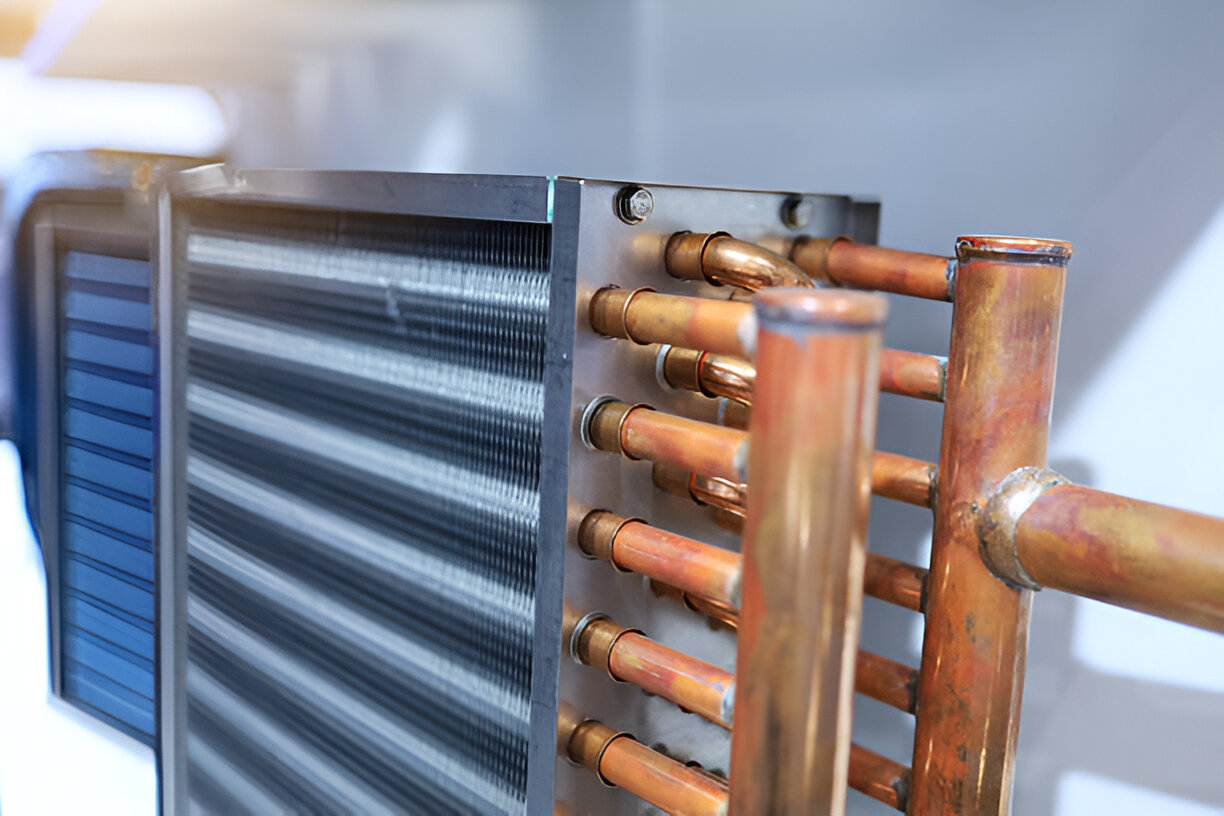
Why timely heating repair matters in New Caney homes
- New Caney winters are usually mild but can include sudden freezes that put extra stress on components.
- High humidity and airborne pine pollen accelerate filter clogging and corrosion on outdoor equipment.
- Delaying repairs can allow small issues to lead to compressor failures, heat exchanger cracks, or safety concerns such as carbon monoxide risk with gas systems.
Common heating problems in New Caney and quick homeowner troubleshooting
Homes in the area most often call for the following symptoms. The homeowner troubleshooting steps are safe, noninvasive checks you can perform before a technician arrives.
Common failure symptoms:
- Furnace or heat pump not turning on
- Weak or cool airflow from vents
- Furnace cycles frequently or short-cycles
- Unusual noises from the furnace or outdoor unit
- Higher than usual utility bills
- Pilot light problems or ignition failure on gas units
- Odors of gas or combustion corrosion
- Thermostat not responding or inaccurate temperatures
Simple troubleshooting for homeowners:
- Check thermostat settings and replace batteries if applicable.
- Inspect and replace a dirty air filter; clogged filters cause reduced airflow and strain.
- Verify the circuit breaker and disconnect switches are on.
- For heat pumps, check the outdoor unit for debris, leaves, or ice buildup.
- For gas furnaces, do not attempt internal repairs; if you smell gas or suspect a leak, leave the home and seek emergency response.
Diagnostic procedures we use
A professional diagnostic isolates the root cause quickly and avoids unnecessary parts replacement. Typical diagnostic steps include:
- Safety inspection for gas leaks, proper ventilation, and carbon monoxide risk.
- Visual inspection of burners, heat exchanger, ignition system, blower motor, and control board.
- Electrical testing of capacitors, relays, fuses, and thermostatic circuits.
- Refrigerant and pressure checks for heat pumps and split systems.
- Airflow measurement and duct leakage indicators when needed.
- System performance test under load to confirm heat output and cycling behavior.
Each diagnostic ends with a clear, written assessment describing the failed components, probable causes, repair options, and expected outcome for both repair and replacement scenarios.
Parts, labor, and transparency
Repairs typically involve labor to remove and replace failed components and testing to confirm safe operation. Common parts replaced in New Caney repairs:
- Ignition control modules and electronic ignitors
- Heat exchangers and burners on furnaces
- Blower motors and belts
- Capacitors, contactors, and control boards
- Compressors, reversing valves, and expansion devices on heat pumps
- Thermostats and sensors
Estimates are transparent and itemized so you understand parts, labor, and expected timelines. Manufacturer warranty work is handled according to the warranty terms; technicians will document serial numbers and install parts per manufacturer requirements to preserve coverage when available.
Emergency response and safety considerations
24/7 emergency response is essential in the event of no heat during a cold snap or if there is any suspicion of combustion safety issues. Technicians prioritize:
- Immediate safety risks such as gas odor, carbon monoxide alarm activation, or lack of heat during extreme cold.
- Temporary safe measures where appropriate, followed by permanent repairs.
- Documenting safety checks and providing replacement options that restore compliant, safe operation.
For gas system issues or suspected carbon monoxide, do not attempt internal repairs. A qualified technician must perform combustion testing and heat exchanger inspections.
Preventative tips to reduce future breakdowns
Regular maintenance reduces emergency repairs, improves comfort, and extends equipment life. Recommended practices for New Caney homes:
- Replace or clean filters every 1 to 3 months depending on use, pets, and pollen levels.
- Schedule annual pre-winter tune ups for furnaces and seasonal checks for heat pumps in late fall.
- Keep outdoor units clear of leaves, pine needles, and yard debris.
- Maintain proper clearance around the furnace and outdoor unit for airflow and service access.
- Program thermostats conservatively and avoid large, sudden temperature changes that increase cycling.
- Seal and insulate ducts where possible to reduce strain on the system and improve efficiency.
- Consider a surge protector for the control board in older systems susceptible to voltage spikes.
Benefits of prompt repair and proper maintenance
Timely heating repair and ongoing preventive care deliver measurable benefits for New Caney homeowners:
- Restored comfort and predictable indoor temperatures during cold weather.
- Improved energy efficiency and lower monthly heating costs.
- Reduced risk of system failure during peak demand and fewer emergency calls.
- Enhanced safety for combustion appliances and reduced carbon monoxide risk.
- Longer equipment life and better return on investment from your HVAC system.
FAQs
Q: How quickly can a technician respond to a heating emergency in New Caney?
A: Response times vary by situation and time of day, but emergency protocols prioritize no-heat conditions and safety risks so a qualified technician is dispatched as soon as possible.
Q: Can a heat pump work in New Caney winters or should I install a furnace?
A: Heat pumps are effective for most New Caney winters and provide both heating and cooling. In areas that see occasional freezes, a heat pump with a reliable backup or an auxiliary heat source provides consistent comfort.
Q: Are heat exchanger cracks common and how are they detected?
A: Cracks are more common in older or poorly maintained furnaces. Detection requires a professional inspection and combustion testing; if present, replacement is typically recommended for safety.
Q: Will warranty cover my repair?
A: Manufacturer warranty coverage depends on the specific part, age of the unit, and proper maintenance history. Warranty work must follow the manufacturer instructions for parts and installation to remain valid. Documentation of prior maintenance helps support warranty claims.
Q: What maintenance schedule is recommended for New Caney homes?
A: Replace filters every 1 to 3 months, schedule a comprehensive tune-up in early fall, and inspect outdoor equipment seasonally to adapt to humidity, pollen, and debris conditions.
Maintenance Plan You Can Rely On
Basic Care
Perfect for newer systems or budget-conscious homeowners wanting essential protection.
$149/year

Annual comprehensive system inspection
Filter replacement (standard filters included)
15% discount on repairs
Priority scheduling within 48 hours
Premium Protection
Ideal for homes with systems 5+ years old or with moderate usage patterns.
$249/year

Bi-annual system inspections (spring & fall)
Filter replacement (premium filters included)
25% discount on all repairs
Priority scheduling within 24 hours
Free diagnostic fees ($89 value)
Elite Coverage
Best for older systems, luxury homes, or properties with critical climate control needs.
$349/year
Quarterly system inspections
All filters and minor parts included
30% discount on major repairs
Same-day emergency service
Extended 2-year warranty on repairs
Annual system efficiency optimization
Basic Care
Perfect for newer systems or budget-conscious homeowners wanting essential protection.
$149/year
Annual comprehensive system inspection
Filter replacement (standard filters included)
15% discount on repairs
Priority scheduling within 48 hours
Premium Protection
Ideal for homes with systems 5+ years old or with moderate usage patterns.
$249/year
Bi-annual system inspections (spring & fall)
Filter replacement (premium filters included)
25% discount on all repairs
Priority scheduling within 24 hours
Free diagnostic fees ($89 value)
Elite Coverage
Best for older systems, luxury homes, or properties with critical climate control needs.
$349/year
Quarterly system inspections
All filters and minor parts included
30% discount on major repairs
Same-day emergency service
Extended 2-year warranty on repairs
Annual system efficiency optimization
Hear What Our Satisfied Clients Have To Say