
Heating Tune-up in New Caney, TX
Heating tune-up services in New Caney, TX ensure furnace and heat pump reliability, efficiency, and safety. Schedule your tune-up today.
Scroll down to discover more

A seasonal heating tune-up from Stat Air Care Air Conditioning & Heating keeps your furnace or heat pump ready for the colder months and reduces the chance of mid-season breakdowns. In New Caney, TX, where winters are mild but temperature swings and high humidity can stress equipment, a professional tune-up improves reliability, system efficiency, and indoor comfort.
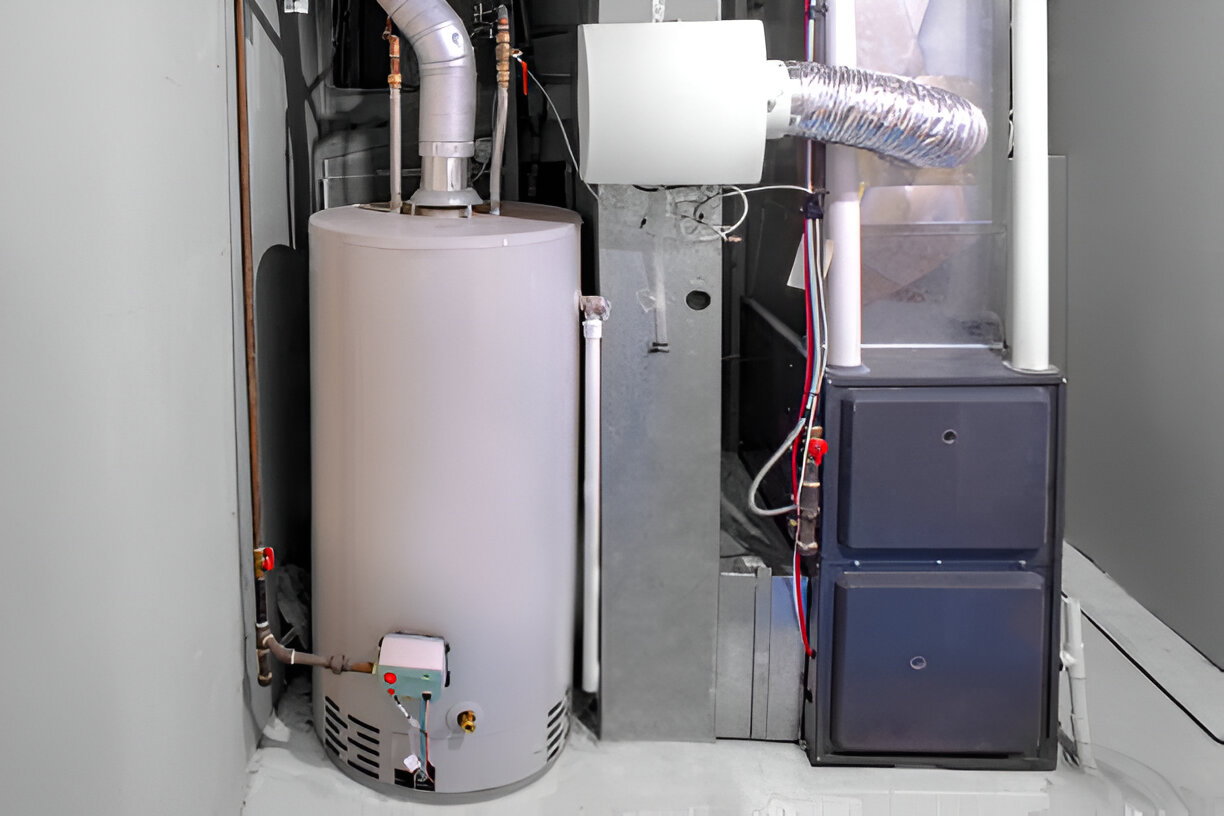
Why a tune-up matters for New Caney homes
- New Caney experiences warm, humid summers and occasional cold snaps in winter. Heating systems that sit idle for long periods are more likely to have clogged filters, sticky ignition components, or electrical faults when you need them.
- Local pollen, dust, and occasional storms introduce debris into ducts and outdoor units, reducing airflow and efficiency.
- Proper seasonal maintenance helps avoid emergency calls during nights and weekends when temperatures fall unexpectedly.
Standard heating tune-up checklist
A thorough tune-up goes beyond a quick visual inspection. Typical checklist items include:
- Filter inspection and replacement - Replace or recommend the correct filter to restore airflow and improve indoor air quality.
- Burner and ignition inspection - Clean burners, check pilot light or electronic ignition, and verify reliable startup.
- Thermostat calibration - Confirm the thermostat reads and commands correctly so your system runs only when needed.
- Safety control checks - Test limit switches, rollout switches, and flame sensors to ensure safe operation.
- Heat exchanger and venting inspection - Inspect for cracks, corrosion, and proper exhaust venting to reduce safety risks.
- Electrical connections and controls - Tighten connections, test relays and capacitors, and verify safe voltage and current.
- Blower and airflow evaluation - Clean the blower wheel if needed, measure airflow, and inspect ducts for obvious leaks or blockages.
- Combustion and efficiency testing - Measure combustion quality and estimate system efficiency for gas furnaces; inspect for carbon monoxide indicators.
- Lubrication and moving parts - Lubricate motors and bearings where applicable to reduce wear and noise.
- System performance testing - Run the system through a cycle and verify proper temperature rise and consistent cycling.
Performance testing explained
Performance testing confirms the system works safely and efficiently after adjustments:
- Temperature rise for furnaces checks the difference between return and supply air to confirm heat transfer is normal.
- Combustion analysis on gas units assesses fuel-to-air ratios for safe, efficient burning.
- Operational cycle test ensures the system starts, runs, and shuts off correctly and that the thermostat communicates properly.These tests identify problems that visual checks can miss and help prioritize repairs that deliver the best efficiency gains.
Common issues found in New Caney heating systems
- Clogged or incorrect air filters from heavy pollen seasons, causing reduced airflow and higher energy use.
- Dirty burners or fouled ignition sensors after long idle periods.
- Thermostat drift or improper settings resulting in short cycling or uneven temperatures.
- Restricted airflow from attic or crawlspace ducts that were designed for different usage patterns.
- Corroded or damaged venting after exposure to humidity and storms.
- Electrical failures caused by loose connections or wear from seasonal temperature swings.
Recommended frequency
- Annual tune-up: Recommended for most furnaces and heat pumps. Schedule in late fall or early winter before sustained heating use.
- Biannual service: Consider for older systems, high-use homes, or properties with heavy dust, pets, or known duct issues. For heat pumps, spring and fall visits cover both cooling and heating transitions.Regular service protects warranties, improves safety, and reduces emergency repair likelihood.
Benefits of seasonal tune-ups
- Improved reliability - Fewer unexpected breakdowns during cold snaps.
- Higher efficiency - Clean burners, calibrated thermostats, and unobstructed airflow lower energy use.
- Longer equipment life - Proper lubrication, adjustments, and early repairs reduce component wear.
- Enhanced safety - Inspections of combustion and venting reduce carbon monoxide and fire risks.
- Consistent comfort - Better airflow and balanced heating reduce hot and cold spots.
- Cost control - Identifying small issues early avoids larger repairs later and helps maintain manufacturer warranties.
What to expect during a tune-up visit
- Typical duration: 45 to 90 minutes depending on system type and condition.
- The technician will begin with a safety inspection, review the thermostat settings, and perform the checklist items above.
- You will receive a summary of findings and clear explanations of any recommended repairs, prioritized by safety and efficiency impact.
- If filters or minor parts need replacement, they can be addressed during the visit or scheduled for follow-up service.
Maintenance plans and enrollment basics
Maintenance plans are designed for homeowners who prefer predictable upkeep and enhanced priority service. Common features of HVAC maintenance plans include:
- Scheduled seasonal tune-ups (annual or biannual)
- Priority scheduling during peak seasons
- Routine filter replacement options
- Discounted diagnostic or repair labor rates
- Service reminders and record-keeping to support warranty requirements
- Inspections that focus on safety and efficiency metrics specific to New Caney climate conditionsEnrolling in a plan typically means a documented agreement outlining visit frequency, what is included in each tune-up, and how service visits are scheduled.
Homeowner preparation tips
- Ensure clear access to the heating unit and thermostat.
- Replace or have on hand the correct air filter size if you prefer to handle filter swaps.
- Note any unusual noises, odors, or inconsistencies in heating to report to the technician.
- If you have an attached vented combustion appliance, ensure vents and flues are unobstructed outdoors.
FAQs
Q: How much does a heating tune-up usually take?
A: Most tune-ups take between 45 and 90 minutes depending on system age and condition.
Q: How often should I get a tune-up in New Caney?
A: Annual tune-ups are recommended; consider biannual service for older systems or homes with heavy dust or pets.
Q: Will a tune-up lower my heating bill?
A: A proper tune-up restores efficiency by improving combustion, airflow, and thermostat performance, which can lower energy use.
Q: Does a tune-up include filter replacement?
A: Filter replacement is commonly part of a full tune-up or offered as an add-on; check the plan details for inclusion.
Q: Can a tune-up detect carbon monoxide issues?
A: Yes, combustion testing and venting inspections help identify conditions that could lead to carbon monoxide risk.
Maintenance Plan You Can Rely On
Basic Care
Perfect for newer systems or budget-conscious homeowners wanting essential protection.
$149/year

Annual comprehensive system inspection
Filter replacement (standard filters included)
15% discount on repairs
Priority scheduling within 48 hours
Premium Protection
Ideal for homes with systems 5+ years old or with moderate usage patterns.
$249/year

Bi-annual system inspections (spring & fall)
Filter replacement (premium filters included)
25% discount on all repairs
Priority scheduling within 24 hours
Free diagnostic fees ($89 value)
Elite Coverage
Best for older systems, luxury homes, or properties with critical climate control needs.
$349/year
Quarterly system inspections
All filters and minor parts included
30% discount on major repairs
Same-day emergency service
Extended 2-year warranty on repairs
Annual system efficiency optimization
Basic Care
Perfect for newer systems or budget-conscious homeowners wanting essential protection.
$149/year
Annual comprehensive system inspection
Filter replacement (standard filters included)
15% discount on repairs
Priority scheduling within 48 hours
Premium Protection
Ideal for homes with systems 5+ years old or with moderate usage patterns.
$249/year
Bi-annual system inspections (spring & fall)
Filter replacement (premium filters included)
25% discount on all repairs
Priority scheduling within 24 hours
Free diagnostic fees ($89 value)
Elite Coverage
Best for older systems, luxury homes, or properties with critical climate control needs.
$349/year
Quarterly system inspections
All filters and minor parts included
30% discount on major repairs
Same-day emergency service
Extended 2-year warranty on repairs
Annual system efficiency optimization
Hear What Our Satisfied Clients Have To Say