
Heating Inspection in Porter, TX
Discover key heating inspection issues in Porter, TX. Learn about cracked heat exchangers, venting problems, and the importance of professional inspections.
Scroll down to discover more

A professional heating inspection in Porter, TX from Stat Air Care Air Conditioning & Heating is essential to keep your home safe, efficient, and compliant with basic safety standards. Even though East Harris County winters are milder than northern states, occasional cold snaps, high humidity, and storm-related power events make it important to confirm your heating system is operating safely. Neglected systems can develop carbon monoxide leaks, corrosion, worn components, or inefficient combustion that raise safety risks and energy costs. A thorough inspection identifies those risks and provides a clear plan for repairs or maintenance.
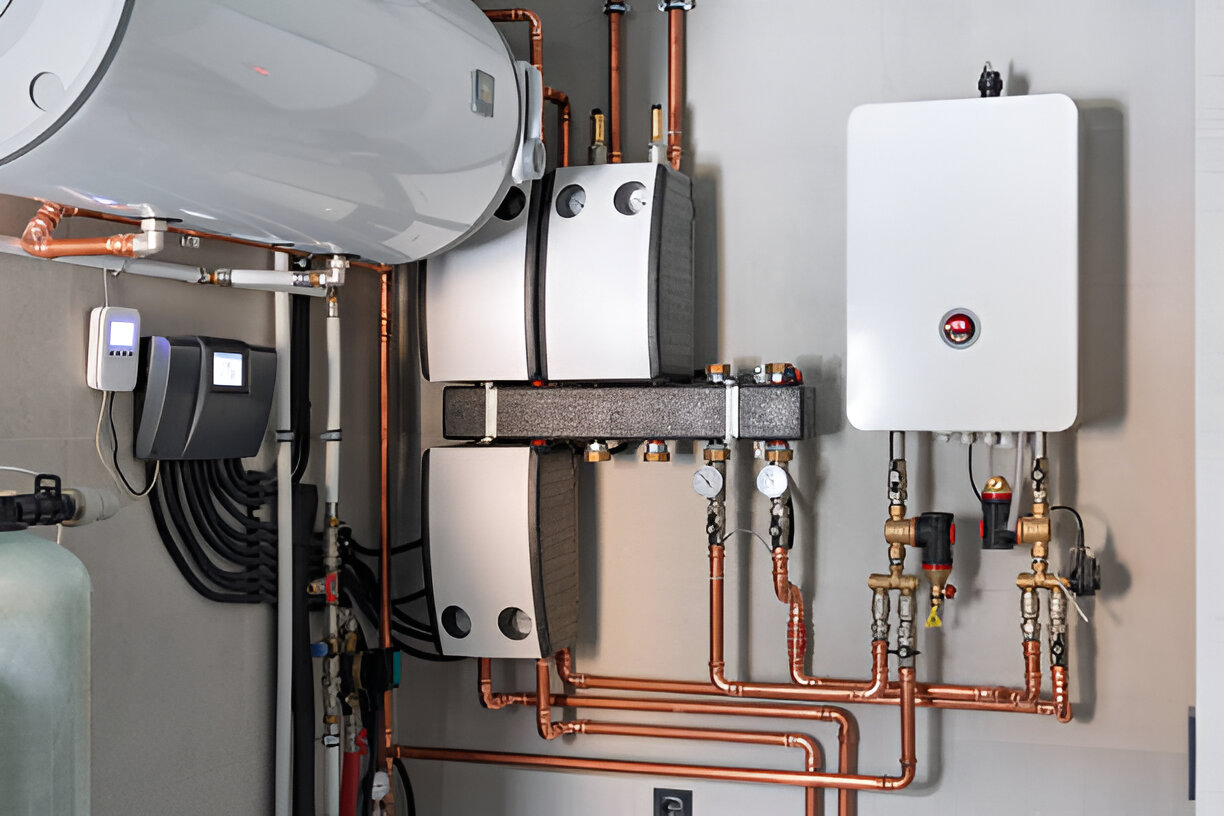
Common heating inspection issues in Porter, TX
- Cracked or corroded heat exchangers, which can let combustion gases and carbon monoxide into living spaces.
- Poor venting or blocked flues from debris, nesting animals, or storm-damaged vents.
- Incomplete combustion or burner problems resulting in high carbon monoxide or low efficiency.
- Worn ignition systems, faulty gas valves, or inconsistent burners that cause intermittent operation.
- Dirty filters and restricted airflow from pollen, humidity-related mold, or accumulated debris that reduce efficiency.
- Duct leaks or disconnected ducts in attics and crawl spaces that lead to energy loss and uneven heating.
- Electrical issues such as failing capacitors, relays, or unsafe wiring connections.
- Thermostat calibration errors and control malfunctions that cause short cycling or temperature swings.
What a professional heating inspection includes
A complete heating inspection focuses on safety and compliance, combining visual checks, mechanical tests, and instrument-based measurements.
- Carbon monoxide testing
Technicians use calibrated CO meters to check for unsafe levels at the furnace, common areas of the home, and near combustion appliances. This confirms whether the system is producing or allowing CO to escape. - Combustion analysis
Using a combustion analyzer, inspectors measure stack temperature, oxygen levels, carbon monoxide in flue gases, and combustion efficiency. These readings identify incomplete combustion, improper burner adjustments, and potential CO production. - Heat exchanger and burner inspection
Visual and instrument-assisted inspection for cracks, corrosion, burner alignment, flame pattern, and ignition reliability. - Venting and draft evaluation
Check flue pipes, chimney connections, and exterior terminations for obstructions, proper slope, secure joints, and adequate draft to exhaust combustion gases. - Electrical and control checks
Evaluate wiring, safety switches, limit controls, ignition sequences, and thermostat operation for safe, reliable control of the heating system. - Airflow and distribution assessment
Inspect air filters, blower motor function, supply and return vents, and perform basic airflow measurements to detect restrictions or imbalances. - Efficiency assessment
Review system age, condition, and test results to estimate current efficiency versus expected performance. Identify components that reduce efficiency or contribute to higher energy bills. - Identification of worn components
Document belts, bearings, motors, capacitors, and other parts showing wear or imminent failure so homeowners know which repairs are priority. - Written inspection report
A clear, prioritized report that documents findings, instrument readings, photos of problem areas, safety concerns, and recommended follow-up repairs or maintenance.
How issues are diagnosed and reported
Inspections follow a consistent, safety-first process:
- Start with homeowner interview to note recent symptoms, unusual odors, or operating history.
- Perform visual checks and basic safety verifications of gas connections, venting, and electrical components.
- Run the system through an operational cycle while using tools such as CO meters, combustion analyzers, and manometers to gather objective data.
- Inspect hidden areas where leaks or corrosion are common, such as heat exchanger access panels, flues, and duct connections.
- Produce a written heating inspection report that lists immediate safety risks, recommended repairs (categorized by priority), routine maintenance items, and estimated remaining service life of major components.
The written report provides everything needed to make informed decisions: what must be addressed immediately for safety or code compliance, what can be scheduled soon, and what is normal maintenance.
Recommended follow-up repairs and maintenance
Inspections often result in a combination of immediate safety repairs and recommended maintenance to restore efficiency and reliability. Typical follow-up items include:
- Replacing a cracked heat exchanger or repairing damaged venting immediately when CO risk is present.
- Adjusting burners and performing combustion tuning to reduce CO and improve efficiency.
- Replacing worn ignition components, gas valves, or control boards that cause unreliable starts or unsafe conditions.
- Cleaning or replacing filters, cleaning coils and burners, and lubricating motors to restore airflow and extend equipment life.
- Sealing duct leaks, insulating ducts, and correcting distribution problems to improve comfort and reduce energy waste.
- Upgrading thermostats or controls for better temperature accuracy and reduced cycling.
Each recommended repair or maintenance item is documented in the written report, with safety items flagged for immediate attention.
Benefits of timely heating inspections in Porter homes
- Safety first: Find and fix carbon monoxide risks and hazardous venting before they become life threatening.
- Energy savings: Improve system efficiency to lower heating-related energy use and bills during cold snaps.
- Extended equipment life: Address worn components early to prevent cascading failures and premature replacement.
- Peace of mind during storms: After power events or heavy weather, an inspection confirms no damage to combustion appliances or vents.
- Code and warranty compliance: Regular inspections help maintain manufacturer warranty conditions and meet basic safety standards.
Seasonal considerations specific to Porter, TX
Porter experiences humid conditions for much of the year and occasional cold weather events that stress heating systems that are used infrequently. Humidity accelerates corrosion in flues and heat exchangers, and pollen or mold buildup can restrict airflow. Storms and intermittent power can also lead residents to use alternate heating methods that increase combustion risks. These local factors make a professional heating inspection particularly valuable for Porter homes to ensure both safety and reliable performance when heating is needed.
Q: How often should I have a heating inspection?
A: Annual inspections are recommended, ideally before the heating season. Homes with older systems, frequent power events, or recent appliance repairs may benefit from more frequent checks.
Q: Does the inspection include carbon monoxide testing?
A: Yes. Professional heating inspections include calibrated carbon monoxide testing at the appliance and in living spaces as part of the safety evaluation.
Q: Will I receive a written report?
A: Yes. A written heating inspection report documents findings, photos, instrument readings, safety concerns, and prioritized recommendations for repairs and maintenance.
Q: Can an inspection tell me if I need a new furnace or heat pump?
A: An inspection and efficiency assessment will identify major failures and estimate remaining component life. If repairs are frequent or efficiency is very low, the report will outline whether replacement is a more cost effective option.
Maintenance Plan You Can Rely On
Basic Care
Perfect for newer systems or budget-conscious homeowners wanting essential protection.
$149/year

Annual comprehensive system inspection
Filter replacement (standard filters included)
15% discount on repairs
Priority scheduling within 48 hours
Premium Protection
Ideal for homes with systems 5+ years old or with moderate usage patterns.
$249/year

Bi-annual system inspections (spring & fall)
Filter replacement (premium filters included)
25% discount on all repairs
Priority scheduling within 24 hours
Free diagnostic fees ($89 value)
Elite Coverage
Best for older systems, luxury homes, or properties with critical climate control needs.
$349/year
Quarterly system inspections
All filters and minor parts included
30% discount on major repairs
Same-day emergency service
Extended 2-year warranty on repairs
Annual system efficiency optimization
Basic Care
Perfect for newer systems or budget-conscious homeowners wanting essential protection.
$149/year
Annual comprehensive system inspection
Filter replacement (standard filters included)
15% discount on repairs
Priority scheduling within 48 hours
Premium Protection
Ideal for homes with systems 5+ years old or with moderate usage patterns.
$249/year
Bi-annual system inspections (spring & fall)
Filter replacement (premium filters included)
25% discount on all repairs
Priority scheduling within 24 hours
Free diagnostic fees ($89 value)
Elite Coverage
Best for older systems, luxury homes, or properties with critical climate control needs.
$349/year
Quarterly system inspections
All filters and minor parts included
30% discount on major repairs
Same-day emergency service
Extended 2-year warranty on repairs
Annual system efficiency optimization
Hear What Our Satisfied Clients Have To Say