
Heating Repair in Porter, TX
Heating repair experts in Porter, TX provide fast diagnostics and lasting fixes. Schedule now for emergency service or routine tune-ups.
Scroll down to discover more

Keeping your heating system reliable during Porter winters and cold snaps is essential for comfort and safety. With Stat Air Care Air Conditioning & Heating, whether your home uses a gas furnace, electric furnace, heat pump, or mini-split, prompt diagnosis and quality repairs prevent larger failures, improve efficiency, and reduce safety risks.
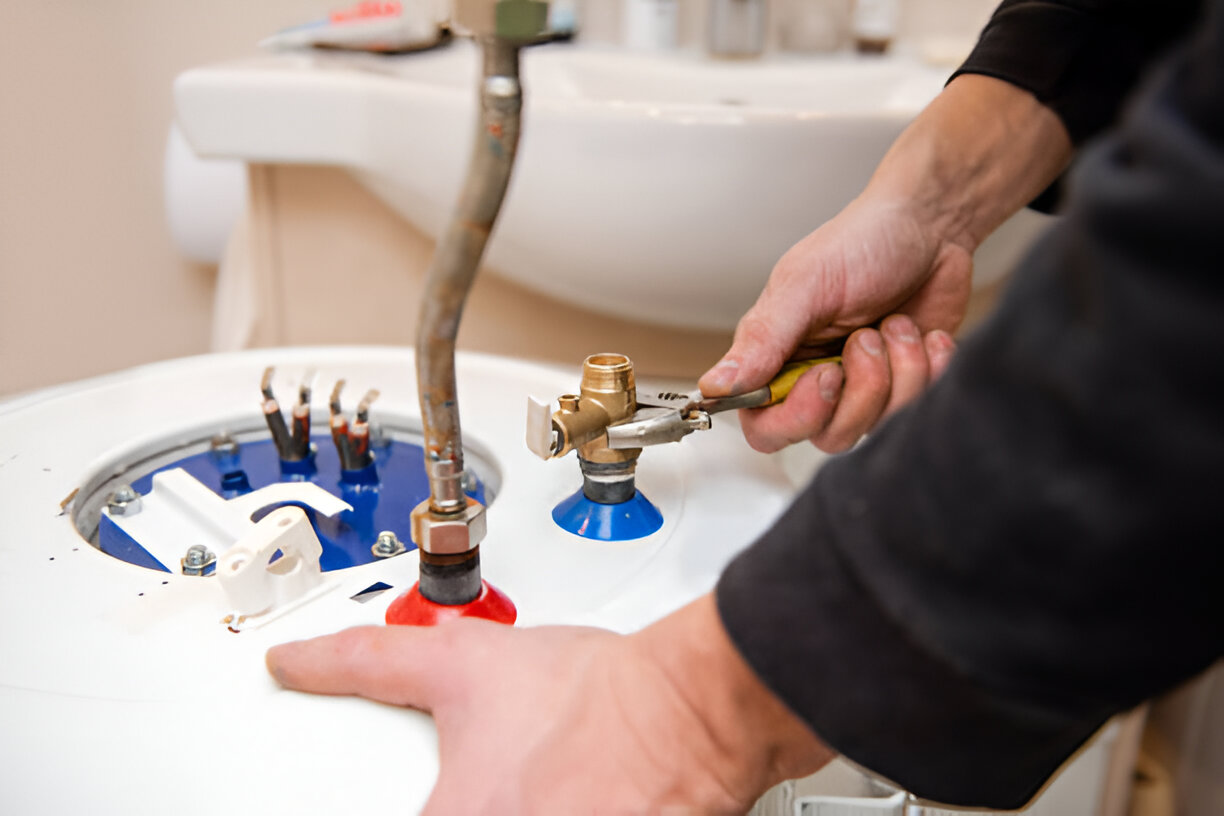
Why heating repair matters in Porter, TX
Porter sits in the humid subtropical climate of southeast Texas. Winters are usually mild but can include sudden cold fronts that place extra demand on heating systems. High humidity, airborne pollen, and seasonal storms can affect outdoor equipment and ductwork. Homes here often rely on heat pumps for year-round climate control and gas furnaces for backup or primary heating. That regional context changes the common failure patterns and influences preventive care priorities.
Common heating problems in Porter homes
- Faulty ignition or pilot systems (gas furnaces) - no light, intermittent cycling, or safety shutoff.
- Failed or noisy blower motors and belts - reduced airflow or uneven heating.
- Thermostat errors or poor calibration - incorrect temperature readings or short-cycling.
- Ignitor or flame sensor failure - repeated lockouts on modern furnaces.
- Cracked heat exchanger or gas valve faults - safety risks and carbon monoxide potential.
- Low refrigerant, compressor issues, or reversing valve faults on heat pumps - poor heating performance.
- Clogged air filters, blocked return vents, or dirty coils - restricted airflow and overheating.
- Electrical problems - failed capacitors, relays, or wiring faults causing intermittent operation.
- Condensate drain blockages and secondary drain failures causing water leaks or control shutdowns.
- Duct leaks and insulation loss - uneven heating and energy waste, common in older Porter homes and attics exposed to humidity.
Diagnostic procedures and what technicians check
A professional heating repair begins with a methodical inspection to identify root causes rather than symptoms. Typical diagnostic steps include:
- Visual inspection of the furnace or heat pump, ductwork, vents, and outdoor unit.
- Thermostat verification and temperature differential checks across supply and return.
- Airflow measurements and filter condition assessment.
- Electrical system tests: voltage, capacitor function, motor amp draw, and safety switch checks.
- Combustion analysis for gas systems when indicated to verify safe burner operation and carbon monoxide levels.
- Refrigerant and pressure checks for heat pumps if heating performance is poor.
- Inspection for signs of corrosion, water damage, rodent intrusion, and wear from local humidity and debris.Technicians document findings and recommend repairs prioritized by safety, system longevity, and efficiency.
Emergency repair response and safety
Heating failures that present safety risks (no heat during a freeze, suspected gas leaks, or high carbon monoxide readings) require immediate attention. Emergency response typically focuses on:
- Isolating fuel or gas supply if a leak is suspected and ensuring safe ventilation.
- Providing temporary safe heating measures when possible.
- Securing the system to prevent hazard (e.g., disabling a cracked heat exchanger) until permanent repair or replacement is completed.
- Rapid diagnosis to determine whether repair, parts replacement, or temporary measures are required.Because Porter can experience quick temperature drops, fast and safe emergency handling reduces risk to occupants and property.
Parts, labor standards, and warranties
Quality repairs prioritize safe, durable parts and workmanship. Industry standards followed during heating repairs include:
- Use of OEM or equivalent high-quality replacement parts designed for the specific make and model.
- Proper mounting, sealing, and electrical connections to maintain manufacturer specifications.
- Cleaning and component alignment to reduce premature wear.
- Post-repair testing to verify safe combustion, stable airflow, and correct thermostat control.
- Documentation of work performed and clear records for warranty purposes.Many providers include manufacturer or service warranties on parts and labor; always confirm warranty coverage and its terms before proceeding.
Expected repair timelines and pricing approach
Most common repairs in Porter homes can be completed in a single visit:
- Simple fixes (filters, thermostats, capacitors, belts, fan motor adjustments): typically 1 to 2 hours.
- Component replacements (ignitors, flame sensors, gas valves, control boards): 2 to 4 hours depending on access and parts availability.
- Heat pump repairs involving compressors or refrigerant may take longer, especially if parts must be ordered.
- Complex issues (cracked heat exchanger, major ductwork repairs, system replacement) require diagnostic confirmation and scheduling for extended work.Pricing and billing approaches vary, but many trusted practices include:
- Transparent diagnostic fees or flat-rate diagnostics that are applied to repair if accepted.
- Clear, itemized estimates listing parts and labor before any non-emergency work begins.
- Flat-rate pricing for common repairs to provide predictability, or time-and-materials quotes when issues are complex.
- Disclosure of parts lead times so homeowners know when work will be completed if special-order components are required.
Preventive tips to reduce future breakdowns
Regular maintenance is the most cost-effective way to extend equipment life and avoid emergency repairs. For Porter, TX homes consider:
- Change or inspect air filters monthly during heavy use months and at least every 3 months year-round.
- Schedule annual heating system tune-ups before winter demand increases, including combustion analysis for gas systems.
- Keep outdoor heat pump units clear of leaves, pine needles, and debris; trim vegetation to maintain airflow.
- Seal and insulate accessible ductwork in attics and crawl spaces to prevent energy loss in humid attics.
- Install and test carbon monoxide detectors if you have gas appliances, and ensure proper venting for furnaces.
- Program thermostats for gradual temperature changes rather than large swings to reduce cycling stress.
- Address unusual noises, smells, or performance drops promptly to avoid cascading failures.
- Consider surge protection on electrical panels to protect control boards and electronics during storms common to the area.
Long-term benefits of prompt, professional heating repair
Timely, expert repairs restore comfort quickly, improve energy efficiency, and reduce safety risks in Porter homes. Addressing problems early preserves equipment life, minimizes future repair costs, and ensures stable operation during the coldest nights. For homeowners balancing humid summers and occasional cold winters, combining regular maintenance with informed repairs improves indoor air quality and system reliability season after season.
FAQ
Q: How soon can a technician diagnose my heating problem?
A: A qualified technician can usually complete an initial diagnostic inspection within 30 to 90 minutes on site, depending on system access and complexity.
Q: Will a repair include a safety inspection for carbon monoxide?
A: Yes, for gas-fired systems a combustion and safety inspection is standard when ignition or combustion issues are suspected.
Q: Do heat pumps need different repairs than gas furnaces in Porter?
A: Yes. Heat pump repairs often focus on refrigerant, compressors, and defrost controls, while gas furnaces commonly require work on ignition systems, burners, and heat exchangers.
Q: What can I do now to avoid an emergency repair this winter?
A: Replace or check filters, clear outdoor unit debris, test your thermostat, and schedule a pre-winter tune-up to catch common issues early.
Q: How long will most repairs take?
A: Routine repairs typically take 1 to 4 hours; larger component replacements or ordered parts can extend timelines to multiple days depending on availability.
Maintenance Plan You Can Rely On
Basic Care
Perfect for newer systems or budget-conscious homeowners wanting essential protection.
$149/year

Annual comprehensive system inspection
Filter replacement (standard filters included)
15% discount on repairs
Priority scheduling within 48 hours
Premium Protection
Ideal for homes with systems 5+ years old or with moderate usage patterns.
$249/year

Bi-annual system inspections (spring & fall)
Filter replacement (premium filters included)
25% discount on all repairs
Priority scheduling within 24 hours
Free diagnostic fees ($89 value)
Elite Coverage
Best for older systems, luxury homes, or properties with critical climate control needs.
$349/year
Quarterly system inspections
All filters and minor parts included
30% discount on major repairs
Same-day emergency service
Extended 2-year warranty on repairs
Annual system efficiency optimization
Basic Care
Perfect for newer systems or budget-conscious homeowners wanting essential protection.
$149/year
Annual comprehensive system inspection
Filter replacement (standard filters included)
15% discount on repairs
Priority scheduling within 48 hours
Premium Protection
Ideal for homes with systems 5+ years old or with moderate usage patterns.
$249/year
Bi-annual system inspections (spring & fall)
Filter replacement (premium filters included)
25% discount on all repairs
Priority scheduling within 24 hours
Free diagnostic fees ($89 value)
Elite Coverage
Best for older systems, luxury homes, or properties with critical climate control needs.
$349/year
Quarterly system inspections
All filters and minor parts included
30% discount on major repairs
Same-day emergency service
Extended 2-year warranty on repairs
Annual system efficiency optimization
Hear What Our Satisfied Clients Have To Say