
Heating Maintenance in Porter, TX
Heating maintenance in Porter, TX keeps your system reliable and efficient; regular tune-ups protect warranties and lower energy costs.
Scroll down to discover more

Keeping your heating system well maintained with Stat Air Care Air Conditioning & Heating is essential for reliable comfort and long-term savings in Porter, TX. Whether your home uses a gas furnace, heat pump, or electric resistance heat, a structured heating maintenance program reduces breakdowns during rare cold snaps, preserves manufacturer warranties, improves efficiency, and helps protect indoor air quality for your family.
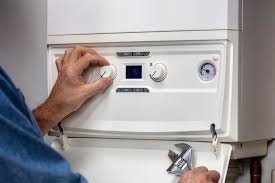
Why heating maintenance matters in Porter, TX
Porter experiences hot, humid summers and relatively mild winters, but occasional cold fronts and high humidity make proper heating care important. Local factors that increase maintenance needs include:
- High humidity that promotes corrosion and mold growth on heat-exchange and duct surfaces.
- Fine dust, pollen, and yard debris common to suburban and semi-rural Porter neighborhoods that clog filters and reduce airflow.
- Occasional power surges and storms that can affect controls, capacitors, and motors.
- Homes with combined HVAC systems (heat pump plus central air) that require seasonal switching and specific checks.
Regular maintenance prevents unexpected failures when temperatures drop, keeps home comfort consistent, and helps systems operate efficiently despite local conditions.
Common heating issues in Porter homes
Homeowners frequently encounter the following problems when maintenance is neglected:
- Reduced heat output or uneven heating due to dirty filters, restricted return vents, or failing blower motors.
- Increased energy use from poor combustion tuning, clogged burners, or low refrigerant in heat pumps.
- Short cycling or frequent on/off cycles from thermostat miscalibration or improper system sizing.
- Safety risks such as cracked heat exchangers or faulty safety controls on gas furnaces and blocked vents.
- Poor indoor air quality from accumulated dust, mold, and microbial growth in ducts and coils.
Addressing these issues proactively through a maintenance plan reduces repair frequency and keeps systems safer and more efficient.
Typical heating maintenance program components
A comprehensive maintenance program for Porter, TX homes should include scheduled seasonal visits and a standardized checklist each visit. Typical elements include:
Scheduled visits
- Pre-winter tune-up (primary): Full inspection and service before the heating season.
- Mid-season check (optional): Quick follow-up for high-use periods or older systems.
- Annual documentation: Written report and service record for warranty compliance.
Standard inspection and checklist items
- Replace or inspect air filters; recommend replacement frequency based on home conditions and filter type.
- Inspect and clean burners, ignition systems, and pilot assemblies (gas furnaces).
- Check heat exchanger for cracks or signs of corrosion.
- Test thermostat operation and recalibrate if needed.
- Inspect and test safety controls, high-limit switches, and flame sensors.
- Inspect venting and flue for blockages, corrosion, or improper termination.
- Lubricate motors and bearings where applicable; check belts and pulleys.
- Clean and inspect blower assembly and evaporator/condenser coils for heat pumps.
- Verify refrigerant charge and assess compressor operation on heat pumps.
- Inspect electrical connections, tighten terminals, and test capacitors and contactors.
- Check condensate drains and pans for clogs and microbial growth.
- Document combustion efficiency and carbon monoxide safety checks where applicable.
Documentation and reporting
- Detailed service report listing actions taken, parts replaced, and any recommendations.
- Maintenance records retained to satisfy warranty requirements and support future diagnostics.
Diagnostic process and what to expect
During a scheduled maintenance visit a trained technician will:
- Review prior service history and recent system performance.
- Perform a visual inspection of components and connections.
- Run the system through a full operating cycle to observe startup, operation, and shutdown behavior.
- Conduct targeted diagnostic tests (thermostat calibration, combustion safety checks, refrigerant pressure checks).
- Clean or replace consumables (filters, drain cleaning) and clear airflow pathways.
- Provide a clear written report of findings, recommended repairs, and efficiency observations.
Technicians will explain any safety risks discovered and note items that need follow-up repair versus routine service.
Warranty-preserving maintenance
Most manufacturers require documented periodic maintenance to keep warranties valid. A proper maintenance program:
- Provides dated service records and reports that meet manufacturer specifications.
- Ensures factory-specified tasks are completed (filter changes, burner cleaning, safety control checks).
- Reduces the chance of denied warranty claims due to neglect or improper service.
- Helps preserve parts and labor coverage by following recommended service intervals.
Keeping a consistent, documented maintenance history is critical if you need warranty support in the future.
Priority service benefits
Joining a priority or preventative maintenance tier provides advantages that matter at decision time:
- Faster response during peak heating calls and cold weather events.
- Priority scheduling for seasonal tune-ups and emergency visits.
- Regular reminders and documented service history for warranty compliance.
- Coordinated planning for pre-winter checks to reduce risk of same-day failures.
- Improved predictability of maintenance needs and smoother budgeting for repairs.
These benefits reduce downtime and stress when heating demand peaks.
Cost-saving advantages of regular upkeep
Routine maintenance delivers measurable financial benefits:
- Improved efficiency lowers monthly energy use by keeping components clean and calibrated.
- Early detection of worn parts prevents catastrophic failures that are more costly to repair.
- Extends equipment lifespan, delaying the large expense of system replacement.
- Keeps warranties intact, which can significantly reduce major repair costs.
- Maintains consistent comfort, which can prevent secondary costs related to humidity or mold remediation.
Over time, preventative maintenance often pays for itself through reduced energy bills and fewer emergency repairs.
Long-term maintenance tips for Porter homeowners
- Replace filters more frequently during pollen season and when yard work or storms increase dust.
- Keep outdoor units clear of debris, shrubbery, and leaves to ensure proper airflow.
- Install and test carbon monoxide detectors if you have gas heating; test monthly.
- Consider surge protection to protect controls and electronic components from storm-related spikes.
- Track service dates and keep records in a single folder or digital file to preserve warranty compliance.
Q: How often should I schedule heating maintenance for my Porter home?
A: Most systems benefit from at least one comprehensive pre-winter tune-up annually; homes with heat pumps or heavy use may need biannual checks. Frequency depends on system type, age, and local conditions like dust and humidity.
Q: Will maintenance really help my energy bills?
A: Yes. Cleaning, calibrating, and adjusting components allows equipment to run more efficiently, which lowers energy consumption and leads to noticeable savings over time.
Q: Does maintenance keep my warranty valid?
A: Manufacturers typically require documented periodic maintenance. A professional maintenance program that provides written records helps preserve parts and labor warranty coverage.
Q: What safety checks are included in a maintenance visit?
A: Safety checks include inspection of heat exchangers, testing of safety and limit switches, combustion analysis where applicable, flue and vent inspections, and carbon monoxide risk assessment for gas systems.
Q: Can maintenance prevent emergency breakdowns during cold snaps?
A: Regular maintenance identifies worn parts and system weaknesses before they fail, significantly reducing the likelihood of emergencies during high-demand periods.
Q: What is the difference between a basic tune-up and a comprehensive plan?
A: A basic tune-up typically includes filter replacement, basic cleaning, and functional checks. A comprehensive plan adds deeper inspections (burners, heat exchanger, refrigerant checks), documented reporting, and priority scheduling that supports warranty requirements.
Maintenance Plan You Can Rely On
Basic Care
Perfect for newer systems or budget-conscious homeowners wanting essential protection.
$149/year

Annual comprehensive system inspection
Filter replacement (standard filters included)
15% discount on repairs
Priority scheduling within 48 hours
Premium Protection
Ideal for homes with systems 5+ years old or with moderate usage patterns.
$249/year

Bi-annual system inspections (spring & fall)
Filter replacement (premium filters included)
25% discount on all repairs
Priority scheduling within 24 hours
Free diagnostic fees ($89 value)
Elite Coverage
Best for older systems, luxury homes, or properties with critical climate control needs.
$349/year
Quarterly system inspections
All filters and minor parts included
30% discount on major repairs
Same-day emergency service
Extended 2-year warranty on repairs
Annual system efficiency optimization
Basic Care
Perfect for newer systems or budget-conscious homeowners wanting essential protection.
$149/year
Annual comprehensive system inspection
Filter replacement (standard filters included)
15% discount on repairs
Priority scheduling within 48 hours
Premium Protection
Ideal for homes with systems 5+ years old or with moderate usage patterns.
$249/year
Bi-annual system inspections (spring & fall)
Filter replacement (premium filters included)
25% discount on all repairs
Priority scheduling within 24 hours
Free diagnostic fees ($89 value)
Elite Coverage
Best for older systems, luxury homes, or properties with critical climate control needs.
$349/year
Quarterly system inspections
All filters and minor parts included
30% discount on major repairs
Same-day emergency service
Extended 2-year warranty on repairs
Annual system efficiency optimization
Hear What Our Satisfied Clients Have To Say