
Heating Installation in Porter, TX
Heating installation in Porter, TX delivers precise sizing, expert installation, and dependable comfort. Schedule your on-site consultation today.
Scroll down to discover more

Upgrading or installing a new heating system with Stat Air Care Air Conditioning & Heating is one of the most important investments you can make for comfort and energy savings in Porter, TX. Even though winters here are generally mild, occasional cold fronts and high humidity mean your home needs a reliable, efficient system that heats evenly and controls moisture.
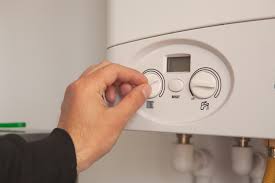
Why proper heating installation matters in Porter, TX
Incorrectly sized or poorly installed heating equipment raises energy bills, shortens equipment life, creates uneven comfort, and can pose safety risks with gas-fired systems. In Porter and the greater northeast Houston area, seasonal humidity and older duct systems in many homes make proper sizing, ductwork evaluation, and commissioning essential to avoid condensation, inefficient short-cycling, and comfort problems.
Common heating systems used in Porter homes
- Heat pumps (air-source and dual-fuel): Popular for year-round efficiency in mild winters; high-efficiency models provide both heating and cooling.
- Gas furnaces: Common where natural gas is available; provide strong heating during cold snaps.
- Electric furnaces and electric coil heat: Simpler, but typically more expensive to operate for sustained heating.
- Ductless mini-split heat pumps: Ideal for additions, rooms without ducts, or improving comfort in older homes.
- Hybrid systems (heat pump + gas furnace): Combine efficiency with backup heat for colder days.
Typical heating problems Porter homeowners face
- Short-cycling or frequent on/off cycles due to oversized equipment or improper airflow
- Uneven room temperatures from leaky or undersized ducts
- High energy bills from low-efficiency systems or poor insulation
- Moisture and condensation issues when airflow and balance are incorrect
- Combustion or venting concerns with aging gas furnaces
Step 1 — Consultation and precision load sizing
The installation begins with an on-site consultation and a professional load calculation (Manual J). This step measures your home’s square footage, insulation levels, window types, orientation, air infiltration, and local climate patterns to determine the correct heating capacity. In Porter, accounting for humidity and typical home construction is part of sizing to prevent oversized units that cycle or undersized units that run continuously.
Step 2 — Equipment selection and energy-efficiency considerations
Selection is based on the load calculation, fuel availability, and homeowner priorities:
- Efficiency ratings to compare: AFUE for furnaces, HSPF and SEER for heat pumps. Higher ratings mean lower operating costs over time.
- Variable-speed blowers and multi-stage compressors improve comfort and reduce humidity issues common in our region.
- ENERGY STAR or high-efficiency models can provide significant long-term savings.
- Consideration for smart thermostats and zoning systems when rooms heat unevenly.
Step 3 — Permits and code compliance
Heating installations in Porter require adherence to local building codes and inspections. Expect permits for HVAC work, gas line connections, and sometimes electrical upgrades. Proper venting, combustion air, and carbon monoxide safeguards must meet safety standards. A professional installer arranges permits and schedules the necessary local inspections to ensure code compliance and project sign-off.
Step 4 — Professional installation process
A professional installation typically follows these steps:
- Safe removal and disposal of the old equipment
- Any needed ductwork repair, sealing, or insulation to reduce leaks and improve airflow
- Proper sizing and installation of gas lines or electrical service upgrades as required
- Secure mounting, leveling, and connection of new equipment
- Installation of controls, thermostats, condensate drains, and refrigerant lines if applicableTechnicians follow manufacturer specifications and best practices to maintain efficiency and warranty eligibility.
Step 5 — Commissioning and testing
Thorough testing ensures the system performs as intended:
- Verify refrigerant charge and airflow for heat pumps
- Test combustion safety and carbon monoxide levels for gas furnaces
- Measure system delta-T (temperature rise) and static pressure to confirm proper airflow
- Confirm thermostat calibration, zone balancing, and system controls
- Walk-through to explain system operation, maintenance tips, and warranty termsThis step reduces callbacks and ensures lasting comfort and performance in Porter homes.
Warranties, labor coverage, and financing options
Most manufacturers offer equipment warranties (commonly 5 to 10 years on major components, sometimes longer for compressors). Professional installations often include a labor warranty that covers installation workmanship for a specified period. Extended warranties or maintenance plans can add protection and predictable annual costs.
Financing options are commonly available for qualified homeowners, including interest-bearing loans, low monthly payment plans, or seasonal payment options. When comparing offers, review term lengths, interest rates, and whether the financing covers both equipment and installation labor.
Long-term benefits and maintenance
A properly selected and installed heating system delivers:
- Stable, even comfort throughout your home
- Lower energy bills through improved efficiency
- Reduced risk of breakdowns and longer equipment life
- Better indoor air quality when paired with proper filtration and humidity controlRoutine annual maintenance, filter changes, and periodic duct inspection keep the system running efficiently and protect warranty coverage.
Choosing a qualified installer in Porter, TX
For Porter homeowners, prioritize installers who perform detailed load calculations, pull permits, follow manufacturer installation guidelines, and document commissioning results. Licensed technicians who understand local climate effects, common construction types in the region, and humidity management will provide the best outcomes.
Q: How long does a typical heating installation take?
A: Most residential installations are completed in one to three days depending on system complexity, ductwork modifications, and permitting or inspection scheduling.
Q: How do I know whether a heat pump or furnace is right for my Porter home?
A: A professional load calculation and review of fuel availability, budget, and comfort goals will determine the best option. Heat pumps work well for mild winters and offer efficiency, while furnaces can be advantageous in areas with very cold spells or where gas is preferred.
Q: Will I need a permit for a new heating system in Porter?
A: Yes. Heating installations generally require local permits and inspections. A qualified installer will obtain permits and ensure code compliance.
Q: What maintenance is required after installation?
A: Regular tasks include filter replacement every 1 to 3 months, annual professional tune-ups, checking refrigerant levels or gas pressure, and inspecting ducts and vents for leaks.
Q: Can a new heating system reduce my energy bills?
A: Yes. Upgrading to a properly sized, high-efficiency system and sealing ducts can significantly lower heating costs and improve comfort.
Q: What should I look for in the installation warranty?
A: Confirm manufacturer component warranty durations and any required registration. Also review the installer’s labor warranty length and what it covers, including parts and service response times.
Maintenance Plan You Can Rely On
Basic Care
Perfect for newer systems or budget-conscious homeowners wanting essential protection.
$149/year

Annual comprehensive system inspection
Filter replacement (standard filters included)
15% discount on repairs
Priority scheduling within 48 hours
Premium Protection
Ideal for homes with systems 5+ years old or with moderate usage patterns.
$249/year

Bi-annual system inspections (spring & fall)
Filter replacement (premium filters included)
25% discount on all repairs
Priority scheduling within 24 hours
Free diagnostic fees ($89 value)
Elite Coverage
Best for older systems, luxury homes, or properties with critical climate control needs.
$349/year
Quarterly system inspections
All filters and minor parts included
30% discount on major repairs
Same-day emergency service
Extended 2-year warranty on repairs
Annual system efficiency optimization
Basic Care
Perfect for newer systems or budget-conscious homeowners wanting essential protection.
$149/year
Annual comprehensive system inspection
Filter replacement (standard filters included)
15% discount on repairs
Priority scheduling within 48 hours
Premium Protection
Ideal for homes with systems 5+ years old or with moderate usage patterns.
$249/year
Bi-annual system inspections (spring & fall)
Filter replacement (premium filters included)
25% discount on all repairs
Priority scheduling within 24 hours
Free diagnostic fees ($89 value)
Elite Coverage
Best for older systems, luxury homes, or properties with critical climate control needs.
$349/year
Quarterly system inspections
All filters and minor parts included
30% discount on major repairs
Same-day emergency service
Extended 2-year warranty on repairs
Annual system efficiency optimization
Hear What Our Satisfied Clients Have To Say