
Heating Tune-up in Porter, TX
Ensure your heating system runs efficiently with a seasonal tune-up in Porter, TX. Discover benefits, common issues, and professional inspection checklists.
Scroll down to discover more

Keeping your heating system tuned up by Stat Air Care Air Conditioning & Heating is one of the best ways to ensure reliable comfort, lower energy bills, and safer operation through Porter winters and sudden cold snaps. A professional seasonal heating tune-up inspects, cleans, and adjusts critical components so your furnace, heat pump, or boiler runs efficiently when you need it. In Porter, TX homes where humidity, pollen, and occasional freezes affect system performance, a thorough tune-up prevents breakdowns and protects indoor air quality.
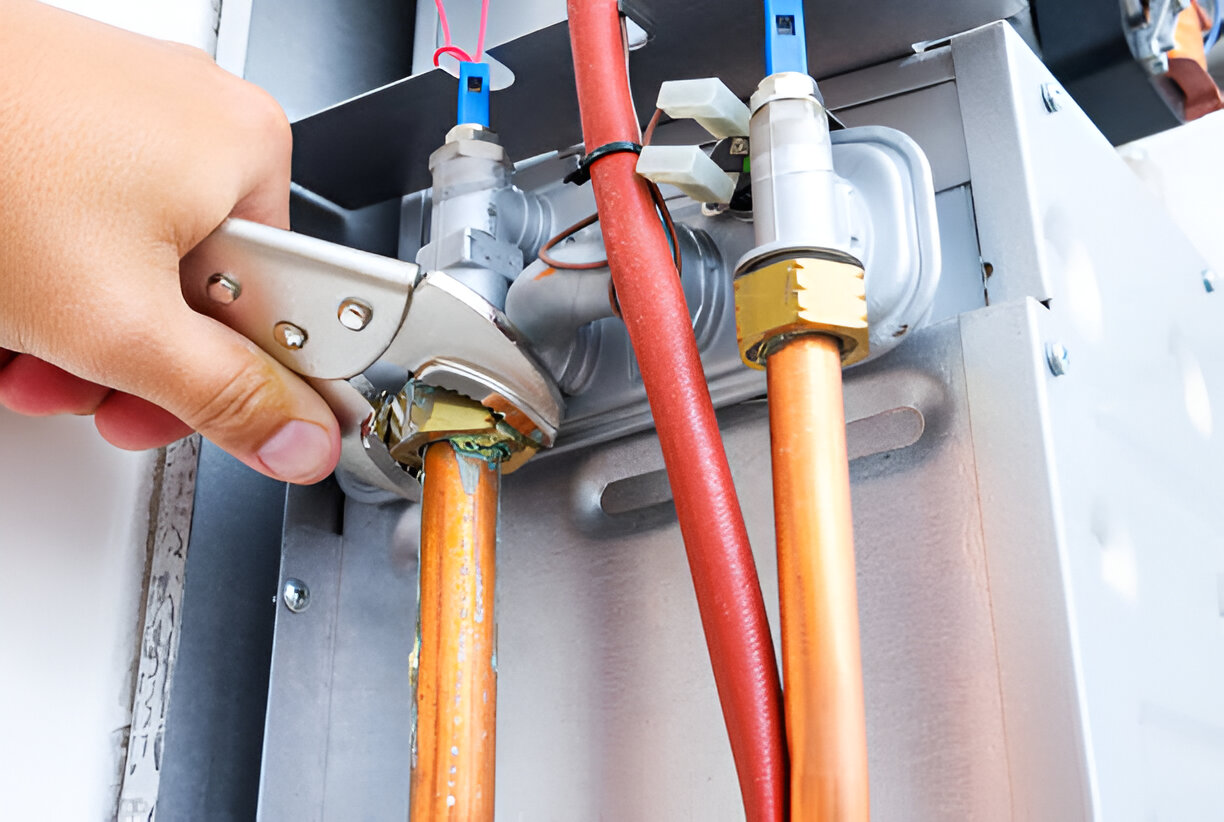
Why a seasonal heating tune-up matters in Porter, TX
Porter residents experience mild winters most years but still face nights and short periods of below-freezing temperatures. Local climate factors that make regular tune-ups important:
- Higher humidity and airborne pollen from piney woods increase filter load and can promote mold or corrosion in ductwork and components.
- Occasional rapid temperature drops make dependable ignition and cycling critical to avoid mid-winter failures.
- Many Porter homes use heat pumps that run year-round, so verifying refrigerant charge and reversing valve function preserves heating capacity during cool spells.Timely maintenance reduces emergency repairs, improves system longevity, and reduces energy use during shoulder seasons when both heating and cooling demands overlap.
Common heating systems and typical issues in Porter homes
- Gas furnaces: ignition failure, dirty burners, cracked heat exchangers, flame sensor issues.
- Heat pumps: low refrigerant, frozen outdoor coils, dirty condenser, reversing valve or compressor problems.
- Electric furnaces and baseboard heaters: element wear, loose connections, uneven heating.
- Boilers: scale buildup, circulator motor wear, air in system, pressure loss.Many tune-ups catch small faults before they escalate into costly failures or safety hazards like carbon monoxide leaks.
What a professional inspection checklist covers
A comprehensive heating tune-up follows a structured checklist to verify safety and performance. Typical inspection items include:
- Visual inspection of the entire furnace or heat pump system and surrounding area for leaks, corrosion, or rodent damage
- Filter check and recommended replacement or cleaning based on type and condition
- Combustion safety check on gas-fired equipment including flame pattern, burner condition, and carbon monoxide screening
- Heat exchanger inspection for cracks or rust on gas furnaces and boilers
- Ignition system and pilot or electronic ignition testing and cleaning
- Thermostat calibration and wiring check
- Blower motor, belt, and fan inspection, cleaning, and lubrication where applicable
- Electrical component check: contactors, capacitors, relays, and terminal tightness
- Refrigerant level and superheat/subcooling check on heat pumps
- Heat rise measurement across the furnace to ensure proper airflow
- Duct and vent inspection for obvious leaks, blockages, or disconnected sections
- Flue and venting inspection for secure, unobstructed exhaust on combustion systems
Cleaning, component service, and replacements
A tune-up goes beyond inspection to restore optimal function:
- Filter change or upgrade to a higher MERV rating if appropriate for the home and system
- Cleaning of burners, flame sensor, condensate drain and pan, evaporator and condenser coils
- Replacement of worn parts commonly causing failures such as belts, filters, ignition modules, capacitors, and thermostat batteries
- Lubrication of motors and bearings to reduce friction and electrical draw
- Tightening and securing electrical connections to reduce risk of shorts and failuresThese targeted services reduce wear and improve efficiency immediately after the visit.
Safety and efficiency adjustments
Safety and efficiency adjustments made during a tune-up include:
- Adjusting gas pressure and airflow to achieve correct combustion and prevent soot or inefficiency
- Calibrating thermostat settings to match actual temperature and avoid short cycling
- Balancing blower speeds or changing fan settings to achieve proper heat rise and deliver consistent comfort
- Sealing small duct leaks and improving return air pathways to reduce heat loss and uneven rooms
- Checking and adjusting limit switches and safety cutoffs to prevent overheating and equipment damageThese adjustments help lower monthly heating bills and improve comfort without replacing major equipment.
Performance testing and verification
After service, a professional performs tests to confirm system performance:
- Temperature rise across the heat exchanger to verify correct airflow
- Combustion efficiency or CO checks on gas equipment to ensure safe operation
- Amp draw and voltage readings on motors and compressors to detect electrical stress
- Refrigerant pressure checks and superheat/subcooling on heat pumps for proper charge
- System run-cycle verification to ensure stable start, run, and shutoff eventsDocumented test results show you the system condition and the value of the maintenance performed.
Benefits of regular heating tune-ups for Porter homes
- Improved reliability: fewer mid-season breakdowns and emergency calls during cold nights
- Lower energy costs: optimized combustion, airflow, and refrigerant charge reduce fuel and electricity use
- Extended equipment life: reduced wear on motors, compressors, and burners delays expensive replacements
- Enhanced safety: detection of cracked heat exchangers, CO risks, or faulty gas connections
- Better indoor air quality: clean filters and coils reduce dust, pollen, and mold spores circulating in your homeRoutine tune-ups are a cost-effective way to protect comfort, safety, and household budgets.
When to schedule and maintenance frequency
Annual tune-ups before seasonal use are standard. For Porter, TX:
- Schedule heating system tune-ups in fall before the first sustained cool weather or cold snap
- If you run a heat pump year-round, consider spring and fall checkups to cover both cooling- and heating-related issues
- Homes with pets, high pollen loads, or smokers may need more frequent filter changes and mid-season checksRegular scheduling ensures your system is prepared when temperatures change unexpectedly.
Simple maintenance steps homeowners can do between tune-ups
- Change disposable air filters every 1 to 3 months depending on use and indoor air quality
- Keep vents and returns unobstructed and clean supply vents periodically
- Ensure outdoor heat pump units are free of debris, leaves, and vegetation for proper airflow
- Monitor thermostat behavior and unusual noises, and note any spikes in energy billsThese small actions prolong the benefits of a professional tune-up.
FAQs
Q: How often should I get a heating tune-up in Porter, TX?
A: Annual tune-ups are recommended; in Porter, schedule heating tune-ups in fall before sustained cool weather. Homes with heat pumps running year-round may benefit from spring and fall checks.
Q: Will a tune-up lower my energy bills?
A: Yes. Proper cleaning, calibration, and repairs improve combustion and airflow and reduce energy waste, typically producing measurable savings on monthly heating costs.
Q: What if my furnace has a cracked heat exchanger?
A: A cracked heat exchanger is a serious safety concern because it can allow carbon monoxide into your home. A tune-up will identify this issue and the technician will advise on repair or replacement.
Q: Can a tune-up prevent emergency breakdowns?
A: A tune-up can identify worn parts and borderline issues that commonly cause failures, greatly reducing the chance of unexpected breakdowns during cold periods.
Q: Do heat pumps need a different tune-up than gas furnaces?
A: Yes. Heat pump tune-ups focus more on refrigerant charge, reversing valve function, and outdoor coil cleanliness, while gas furnace checks emphasize combustion safety, burners, and heat exchanger condition.
Maintenance Plan You Can Rely On
Basic Care
Perfect for newer systems or budget-conscious homeowners wanting essential protection.
$149/year

Annual comprehensive system inspection
Filter replacement (standard filters included)
15% discount on repairs
Priority scheduling within 48 hours
Premium Protection
Ideal for homes with systems 5+ years old or with moderate usage patterns.
$249/year

Bi-annual system inspections (spring & fall)
Filter replacement (premium filters included)
25% discount on all repairs
Priority scheduling within 24 hours
Free diagnostic fees ($89 value)
Elite Coverage
Best for older systems, luxury homes, or properties with critical climate control needs.
$349/year
Quarterly system inspections
All filters and minor parts included
30% discount on major repairs
Same-day emergency service
Extended 2-year warranty on repairs
Annual system efficiency optimization
Basic Care
Perfect for newer systems or budget-conscious homeowners wanting essential protection.
$149/year
Annual comprehensive system inspection
Filter replacement (standard filters included)
15% discount on repairs
Priority scheduling within 48 hours
Premium Protection
Ideal for homes with systems 5+ years old or with moderate usage patterns.
$249/year
Bi-annual system inspections (spring & fall)
Filter replacement (premium filters included)
25% discount on all repairs
Priority scheduling within 24 hours
Free diagnostic fees ($89 value)
Elite Coverage
Best for older systems, luxury homes, or properties with critical climate control needs.
$349/year
Quarterly system inspections
All filters and minor parts included
30% discount on major repairs
Same-day emergency service
Extended 2-year warranty on repairs
Annual system efficiency optimization
Hear What Our Satisfied Clients Have To Say