
Heating Service in Porter, TX
Heating service in Porter, TX provides maintenance, diagnostics, and reliable repairs for heat pumps, furnaces, and rooftop units. Schedule today.
Scroll down to discover more

Keeping your home or business comfortable through Porter, TX winters starts with reliable heating service from Stat Air Care Air Conditioning & Heating. Whether you have a heat pump, gas furnace, or packaged rooftop unit, our professional heating maintenance, timely minor repairs, emergency response, and clear service agreements make the difference between a dependable system and repeated breakdowns.
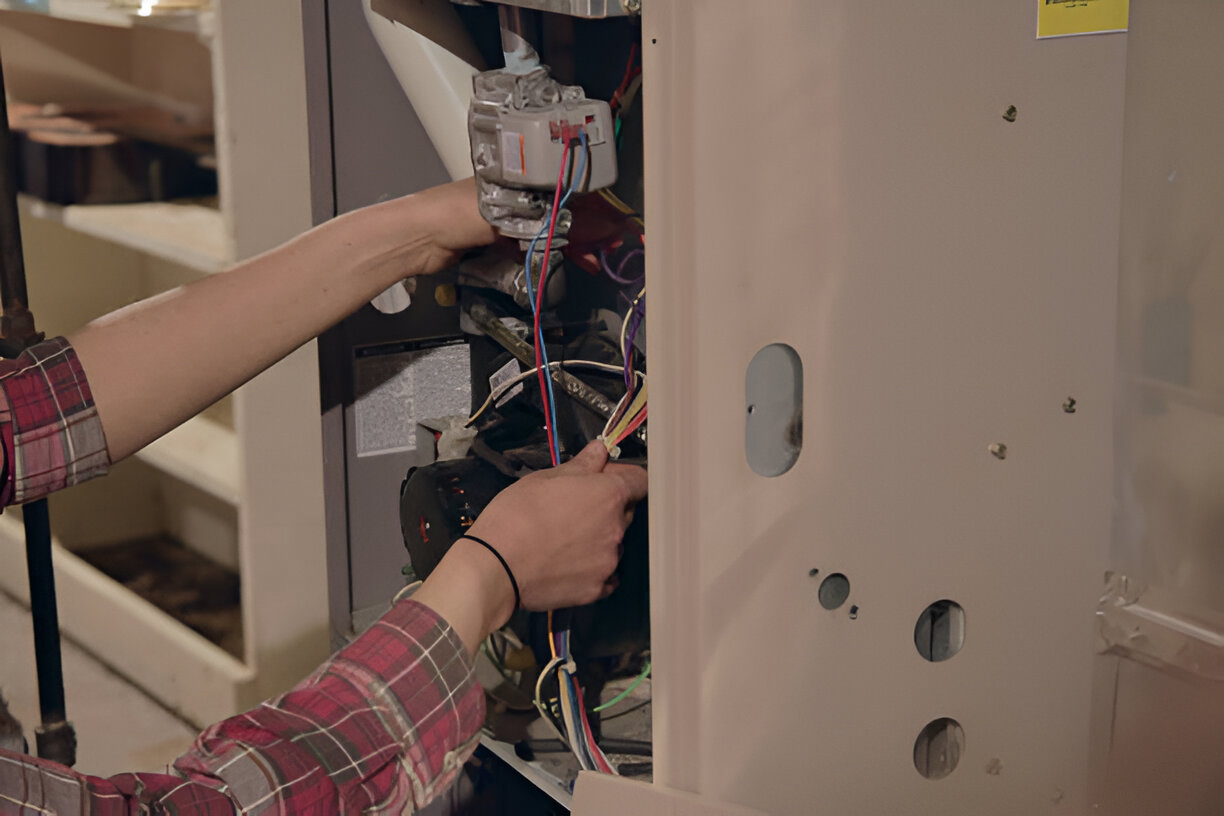
Why heating service matters in Porter, TX
Porter experiences mild winters but can have sudden cold fronts and occasional freezing nights. High humidity year round and frequent pollen, dust, and airborne debris increase strain on systems and accelerate wear. Proper heating service in Porter, TX reduces energy waste, prevents mid-season failures, improves indoor air quality, and extends the usable life of the system. For businesses, reliable heating protects employees, customers, and inventory from temperature-sensitive damage.
Common heating systems we service
- Residential heat pumps and ducted heat pump systems
- Gas and electric furnaces used as primary or backup heat
- Hybrid systems (heat pump with furnace backup)
- Commercial rooftop units and packaged HVAC systems
- Hydronic (boiler) systems in some commercial properties
- Zone control systems and programmable thermostats
Common heating issues in Porter, TX
- Weak or inconsistent heat output due to clogged filters, low refrigerant (heat pumps), or blocked ductwork
- Short cycling connected to thermostat problems, dirty flame sensors, or clogged condensate lines
- Pilot or ignition failures on gas furnaces after infrequent use or power interruptions
- Corrosion and component wear from humid conditions, especially on outdoor coils and electrical connections
- Frozen condensate lines or outdoor components during unusual cold snaps
- Reduced efficiency from dirty coils, worn belts, or failing blower motors
Diagnostic approach: what a professional inspection covers
A comprehensive heating service begins with a systematic diagnostic sequence to find root causes, not just symptoms:
- Visual inspection of indoor and outdoor units, electrical panels, and visible ductwork
- Thermostat verification and control wiring check to confirm accurate set points and responses
- Airflow and filter assessment; measurement of supply and return temperatures and static pressure if needed
- Combustion and venting check on gas appliances, including flame quality and carbon monoxide risk indicators
- Electrical component testing: capacitors, contactors, relays, and motor draw
- Heat exchanger and safety control inspection for cracks, corrosion, or sensor failures (critical for furnaces)
- Refrigerant and coil checks for heat pump systems, plus defrost performance test
- Ductwork and insulation review for leaks, detached joints, or inadequate insulation causing heat loss
This method reduces repeat visits by targeting repairs to the true cause and documenting recommended follow-up items.
Typical repairs and solutions explained
- Filter and airflow fixes: Replacing or upgrading filters, cleaning return grilles, and sealing duct leaks to restore proper airflow and system balance.
- Ignition and flame sensor servicing: Cleaning or replacing sensors and ensuring safe, consistent ignition on gas units.
- Motor and blower repairs: Repairing or replacing capacitors, belts, or motors to restore heating capacity and quiet operation.
- Refrigerant and valve service for heat pumps: Locating and repairing leaks, recharging to the correct level, and replacing faulty service valves.
- Safety component replacement: Installing new limit switches, pressure switches, or safety controls when wear compromises reliability.
- Heat exchanger issues: Assessing cracks or severe corrosion and recommending repair or replacement based on safety and longevity.
- Preventive adjustments: Calibrating thermostats, tightening electrical connections, and adjusting gas pressure to factory-recommended settings.
Parts used in repairs are selected to match OEM specifications or better quality equivalents to maintain system efficiency and safety. Warranty coverage on parts and labor is explained during service and documented in any service agreement.
Service agreements and warranty coverage
Service agreements provide scheduled maintenance, priority response, and reduced rates on repairs. Typical agreement benefits include seasonal inspections, filter reminder services, and discounted diagnostic or labor fees. For Porter homes and businesses, agreements are structured to address local climate impacts such as humid summers and pollen seasons.
Warranty coverage commonly includes:
- Manufacturer warranties on replacement parts when OEM components are used
- Labor warranties for a defined period after repair, covering workmanship issues
- Clear documentation of covered items and any exclusions such as pre-existing conditions or improper installations
Quality parts and clear warranty terms help minimize downtime and provide predictable operating costs over the system lifetime.
Emergency response and after-hours service
Heating failures can be urgent during sudden cold snaps. Emergency heating service protocols typically include rapid dispatching of technicians, basic triage over the phone to recommend safe temporary measures, and priority scheduling for known safety issues like gas odors, unusual noises, or suspected carbon monoxide. In Porter, technicians also consider the local weather when prioritizing calls, since extreme temperature swings can create spikes in demand.
How service appointments are scheduled (what to expect)
Scheduling a service visit usually involves these steps:
- Confirming the system type (heat pump, furnace, rooftop unit) and primary symptom to prepare the right tools and parts
- Selecting a mutually agreeable time window for technician arrival and communicating any access instructions for residential or commercial sites
- Pre-service checklist including permit or safety requirements for commercial properties and any site-specific access needs
- On-site inspection, transparent explanation of findings, and an itemized repair recommendation before proceeding with work
- Documentation of warranties and maintenance recommendations after service completion
This streamlined process helps ensure efficient visits and clear expectations without surprises.
Maintenance tips for Porter properties
- Replace or clean HVAC filters every 1 to 3 months during heavy pollen or early winter use.
- Keep outdoor units clear of vegetation and debris to avoid airflow restrictions and corrosion.
- Schedule pre-winter tune ups to verify combustion safety and defrost cycles on heat pumps.
- Consider programmable or smart thermostats for better energy management during variable Texas weather.
- Address odd sounds or odors promptly to avoid larger failures during cold snaps.
Heating service in Porter, TX protects comfort, safety, and energy budgets. Regular maintenance, quality parts, transparent warranties, and service agreements tailored to local needs deliver consistent performance for residential and commercial systems.
Q: How often should I schedule heating maintenance for my Porter home
A: For most systems, schedule a professional inspection at least once a year before the heating season; heat pumps benefit from two seasonal checks (pre-winter and pre-summer) because they run year round.
Q: Do you service both heat pumps and gas furnaces in Porter, TX
A: Yes. Servicing includes diagnostics for heat pumps, furnaces, hybrid systems, and commercial rooftop units with tailored repairs and maintenance steps for each technology.
Q: What should I do if I smell gas or suspect a carbon monoxide issue
A: Leave the building immediately, follow local safety protocols, and seek emergency assistance; a professional heating technician will check venting, combustion, and safety controls before restarting the appliance.
Q: Are replacement parts covered under warranty
A: Parts typically carry manufacturer or aftermarket warranties; labor warranties for repairs are provided for a set period and are documented at service completion with details on coverage.
Q: Can a service agreement reduce emergency breakdowns in Porter weather
A: Yes. Regular maintenance through an agreement reduces unexpected failures, addresses humidity and pollen-related issues proactively, and often provides priority response during high-demand weather events.
Maintenance Plan You Can Rely On
Basic Care
Perfect for newer systems or budget-conscious homeowners wanting essential protection.
$149/year

Annual comprehensive system inspection
Filter replacement (standard filters included)
15% discount on repairs
Priority scheduling within 48 hours
Premium Protection
Ideal for homes with systems 5+ years old or with moderate usage patterns.
$249/year

Bi-annual system inspections (spring & fall)
Filter replacement (premium filters included)
25% discount on all repairs
Priority scheduling within 24 hours
Free diagnostic fees ($89 value)
Elite Coverage
Best for older systems, luxury homes, or properties with critical climate control needs.
$349/year
Quarterly system inspections
All filters and minor parts included
30% discount on major repairs
Same-day emergency service
Extended 2-year warranty on repairs
Annual system efficiency optimization
Basic Care
Perfect for newer systems or budget-conscious homeowners wanting essential protection.
$149/year
Annual comprehensive system inspection
Filter replacement (standard filters included)
15% discount on repairs
Priority scheduling within 48 hours
Premium Protection
Ideal for homes with systems 5+ years old or with moderate usage patterns.
$249/year
Bi-annual system inspections (spring & fall)
Filter replacement (premium filters included)
25% discount on all repairs
Priority scheduling within 24 hours
Free diagnostic fees ($89 value)
Elite Coverage
Best for older systems, luxury homes, or properties with critical climate control needs.
$349/year
Quarterly system inspections
All filters and minor parts included
30% discount on major repairs
Same-day emergency service
Extended 2-year warranty on repairs
Annual system efficiency optimization
Hear What Our Satisfied Clients Have To Say