
AC Inspection in Spring, TX
Air conditioning inspection in Spring, TX helps protect comfort and efficiency. Schedule a thorough inspection today for safety and performance.
Scroll down to discover more

Air Conditioning Inspection in Spring, TX | Stat Air Care Air Conditioning & Heating
An air conditioning inspection in Spring, TX by Stat Air Care Air Conditioning & Heating is a key step in protecting comfort, indoor air quality, and the long-term value of your HVAC system. With hot, humid summers, frequent pollen, and occasional severe storms, Spring homes face unique stressors that accelerate wear on cooling systems. A thorough inspection from Stat Air Care Air Conditioning & Heating identifies safety risks, efficiency losses, and early signs of failure so you can make informed decisions—whether preparing to sell, troubleshooting a problem, or scheduling preventative maintenance.
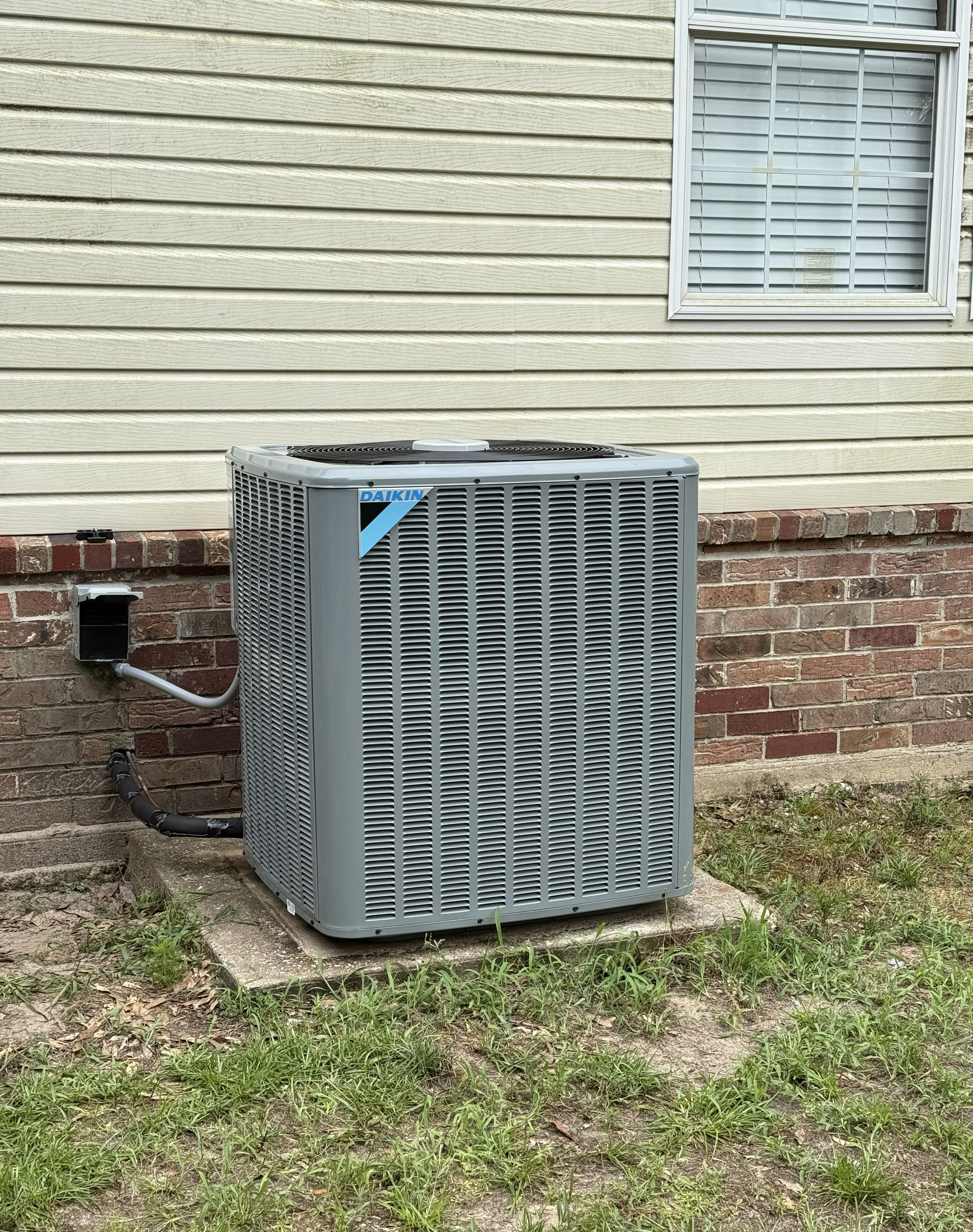
Why get an air conditioning inspection in Spring, TX?
- Heat and humidity stress: Extended high temperatures force AC systems to run longer, increasing component wear and energy use. Humidity accelerates coil corrosion and fosters mold growth in drain pans and ductwork.
- Outdoor exposure: Yard debris, grass clippings, and seasonal storms can damage outdoor units and reduce airflow around condensers.
- Pre-sale transparency: Buyers and sellers in Spring often require documentation of system condition for real estate transactions and inspections.
- Safety and efficiency: Early detection of refrigerant leaks, electrical faults, or blocked drains prevents costly failures and unsafe conditions.
Common air conditioning inspection issues in Spring, TX
- Refrigerant leaks and low charge causing reduced cooling capacity and higher energy costs.
- Clogged condensate drains and overflow that create water damage or mold.
- Dirty or corroded evaporator and condenser coils reducing heat transfer and efficiency.
- Worn fan motors or belts, leading to noisy operation and reduced airflow.
- Electrical faults such as loose connections, failing capacitors, or unsafe wiring.
- Duct leaks and insulation failures lowering system efficiency and comfort consistency.
- Contaminated air filters and indoor air quality issues, worsening allergy symptoms during high-pollen seasons.
Types of inspections offered
- Pre-sale inspections: Comprehensive evaluation tailored to real estate transactions, with a clear, objective report for buyers, sellers, and agents.
- Diagnostic inspections: Targeted troubleshooting when the system is underperforming, noisy, or cycling irregularly.
- Safety and efficiency checks: Routine assessments that verify safe operation, electrical integrity, and optimal energy performance.
- Leak detection and refrigerant testing: Systematic checks using leak detectors, UV dye, or electronic tools to pinpoint refrigerant loss.
- Performance testing: Measured assessment of temperature split, airflow, and system capacity to compare actual output against manufacturer specifications.
- Certification and documentation: Detailed written reports and any required certification for permits, warranties, or real estate transfers.
What a residential AC inspection includes
Inspectors follow a structured process to ensure nothing important is missed. Typical steps include:
- Visual exterior and system walkaround
- Condition of outdoor unit, condenser fins, refrigerant lines, and nearby vegetation or debris.
- Check for storm damage, loose panels, or signs of pest entry.
- Indoor system inspection
- Thermostat calibration and operation.
- Air handler, blower motor, evaporator coil, and filter condition.
- Condensate drain and pan inspection for clogs or microbial growth.
- Electrical and safety checks
- Inspect wiring, breakers, contactors, capacitors, and safety controls.
- Verify proper disconnects and grounding.
- Refrigerant and leak testing
- Measure refrigerant pressures and compare to specification.
- Use electronic leak detectors or UV dye to locate escaping refrigerant.
- Performance measurements
- Supply and return air temperature to calculate temperature split.
- Static pressure or airflow readings if airflow concerns are present.
- System run-time and cycling behavior during inspection.
- Efficiency and airflow evaluation
- Inspect ductwork for leaks, sags, or insulation gaps.
- Evaluate filter type and replacement needs affecting indoor air quality.
- Detailed documentation
- Photos of problem areas, serial numbers, and component conditions.
- Clear notes on repairs recommended, parts likely needed, and estimated urgency.
Tools and methods used
- Refrigerant gauges and manifold sets for pressure testing
- Electronic leak detectors and UV dye for pinpointing refrigerant loss
- Digital thermometers and manometers for temperature and pressure readings
- Infrared cameras for identifying insulation gaps or electrical hotspots
- Combustion analyzers if inspecting systems with integrated heating
- Visual inspection tools, including mirrors and flashlights for tight spaces
How to read the inspection report
A typical inspection report delivered after the visit will include:
- Executive summary of overall system condition and safety status
- Rated concerns labeled by priority: Immediate safety risk, recommended repairs soon, maintenance items
- Line-item findings with photos, recommended fixes, and explanation of long-term risks if left unaddressed
- Performance metrics such as temperature split, measured pressures, and estimated efficiency
- Any certification or compliance forms completed for real estate or warranty purposes
Use the report to compare short-term repair options versus replacement. For older systems with multiple high-priority items, replacement may offer better long-term value in Spring, TX’s demanding climate.
Benefits of timely inspections
- Lower utility bills from restored efficiency and optimized refrigerant charge
- Extended equipment life by catching wear before failures lead to major breakdowns
- Improved indoor comfort and air quality, especially important during humid months and high pollen seasons
- Reduced safety hazards from electrical faults or refrigerant exposure
- Documentation for real estate transactions or warranty claims, making property transfer smoother
Maintenance tips to extend system life in Spring, TX
- Change or clean filters every 1 to 3 months during peak use.
- Keep at least two feet of clear space around outdoor condensers and routinely clear debris.
- Schedule annual inspections before the hottest months to ensure peak performance.
- Monitor indoor humidity and use system features or dehumidifiers as needed to prevent mold.
- Replace older systems showing repeated major repairs; newer models offer better efficiency in humid climates.
A professional air conditioning inspection in Spring, TX arms homeowners with the knowledge needed to keep cooling systems safe, efficient, and reliable in the face of local climate challenges. The inspection report provides actionable next steps and documentation for informed repairs, replacements, or real estate processes.
Maintenance Plan You Can Rely On
Basic Care
Perfect for newer systems or budget-conscious homeowners wanting essential protection.
$149/year

Annual comprehensive system inspection
Filter replacement (standard filters included)
15% discount on repairs
Priority scheduling within 48 hours
Premium Protection
Ideal for homes with systems 5+ years old or with moderate usage patterns.
$249/year

Bi-annual system inspections (spring & fall)
Filter replacement (premium filters included)
25% discount on all repairs
Priority scheduling within 24 hours
Free diagnostic fees ($89 value)
Elite Coverage
Best for older systems, luxury homes, or properties with critical climate control needs.
$349/year
Quarterly system inspections
All filters and minor parts included
30% discount on major repairs
Same-day emergency service
Extended 2-year warranty on repairs
Annual system efficiency optimization
Basic Care
Perfect for newer systems or budget-conscious homeowners wanting essential protection.
$149/year
Annual comprehensive system inspection
Filter replacement (standard filters included)
15% discount on repairs
Priority scheduling within 48 hours
Premium Protection
Ideal for homes with systems 5+ years old or with moderate usage patterns.
$249/year
Bi-annual system inspections (spring & fall)
Filter replacement (premium filters included)
25% discount on all repairs
Priority scheduling within 24 hours
Free diagnostic fees ($89 value)
Elite Coverage
Best for older systems, luxury homes, or properties with critical climate control needs.
$349/year
Quarterly system inspections
All filters and minor parts included
30% discount on major repairs
Same-day emergency service
Extended 2-year warranty on repairs
Annual system efficiency optimization
Hear What Our Satisfied Clients Have To Say